It is 2:00 PM on a Friday in July. Your office AC just died. Customers are sweating. Employees are complaining. And you are scrambling to find an HVAC company that can come out on short notice, knowing you are about to pay emergency rates for something that could have been prevented.
This is how most business owners think about commercial HVAC: ignore it until it breaks, then fix it as fast as possible. But this approach costs you more money, causes more downtime, and puts unnecessary strain on your equipment.
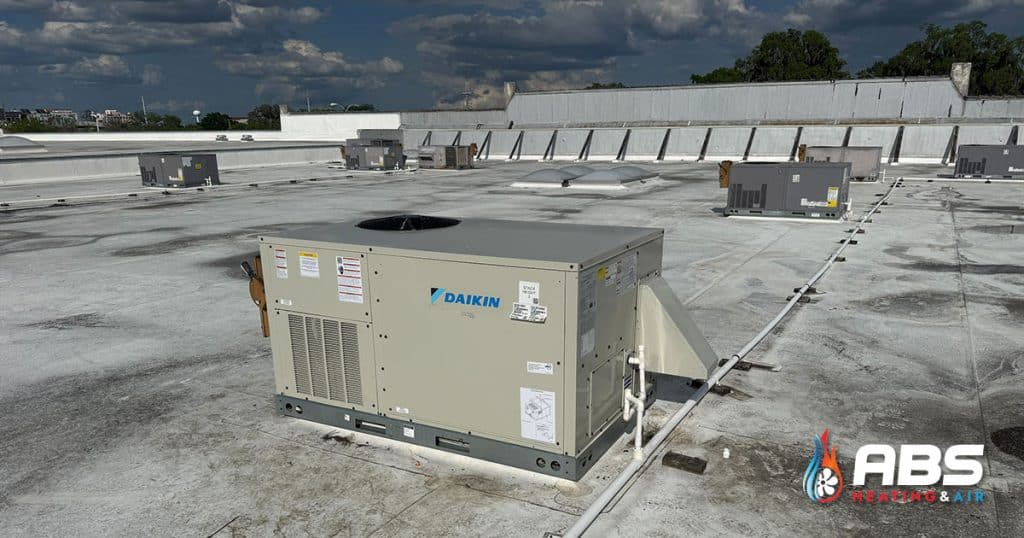
In this article, we are going to explain why scheduled preventive maintenance is the smarter way to manage your commercial HVAC system, what it includes, and how it protects your business from the kind of breakdowns that cost you customers and revenue.
When your HVAC system goes down, the cost is not just the repair bill. The real cost is what happens to your business while the system is broken.
If you run a retail store, restaurant, gym, or any business where customers spend time on-site, an uncomfortable environment means lost sales. People will leave. They will not come back. And they will tell their friends about the experience.
Office workers are less productive when they are uncomfortable. Studies have shown that productivity drops when indoor temperatures rise above 77 degrees. If your office is 85 degrees because the AC is broken, your team is not getting much done.
Emergency repairs cost more than scheduled repairs. You are paying for after-hours service, rush parts, and the urgency of the situation. A $500 repair during a maintenance visit can easily become a $1,500 emergency call on a weekend.
If you run a business that relies on climate control, like a medical office, data center, or food service operation, HVAC failure can damage equipment or spoil inventory. The cost of replacing ruined product or equipment can far exceed the cost of the HVAC repair itself.
Preventive maintenance is more than just changing a filter. A comprehensive commercial HVAC maintenance visit includes a thorough inspection, cleaning, and testing of your entire system. Here is what a proper maintenance visit should cover.
The evaporator and condenser coils need to be clean to transfer heat efficiently. Dirty coils force the system to work harder, use more energy, and can lead to compressor failure. During maintenance, a technician will inspect and clean both coils.
Low refrigerant means the system cannot cool properly. A technician will check refrigerant levels and pressures to make sure the system is fully charged. If refrigerant is low, it usually means there is a leak that needs to be found and repaired.
Loose or corroded electrical connections can cause the system to shut down or, worse, create a fire hazard. The technician will check all wiring, contactors, relays, and capacitors to make sure everything is in good condition.
The thermostat and control systems tell the HVAC system when to turn on and off. If they are not calibrated correctly, the system will not maintain the right temperature. A technician will test and calibrate the controls to ensure they are working properly.
The condensate drain removes moisture that the AC pulls from the air. If the drain gets clogged, water can back up and cause damage to the system or the building. Regular cleaning prevents clogs and water damage.
Proper airflow is critical for system performance. A technician will check airflow at the supply and return vents, inspect ductwork for leaks or restrictions, and make sure the system is moving air efficiently. For more in-depth airflow analysis, Test and Balance services can identify and fix performance issues.
Motors, fans, and bearings need lubrication to reduce friction and prevent wear. Without proper lubrication, these components can overheat and fail prematurely.
If your system uses belts, they need to be inspected for wear and proper tension. A worn or loose belt can cause the blower to run inefficiently or fail altogether.
The short answer is: more often than residential systems. Commercial HVAC systems run harder and longer than residential systems. They also have a bigger impact on your business when they fail.
Most commercial systems should be serviced at least quarterly, and some high-use systems benefit from monthly maintenance. Here is a general guideline based on system usage.
In Florida, where systems run almost year-round in both heating and cooling mode, regular maintenance is even more important. The wear and tear adds up faster than it does in climates with true off-seasons.
Preventive maintenance is not an expense. It is an investment. Here is how it pays for itself.
A well-maintained system runs more efficiently. Clean coils, proper refrigerant levels, and good airflow all reduce the amount of energy the system needs to cool your building. According to the U.S. Department of Energy, routine maintenance can reduce energy costs by 5 to 15 percent.
Catching small problems before they become big problems means fewer emergency repair calls. A $200 maintenance visit that catches a worn belt can prevent a $2,000 blower motor replacement later.
Regular maintenance extends the life of your HVAC system. A commercial system that is neglected might last 10 to 12 years. A system that is properly maintained can last 15 to 20 years or more. That is years of avoided replacement costs.
Many manufacturers require proof of regular maintenance to honor warranty claims. If your compressor fails and you cannot show that the system was properly maintained, the warranty may not cover the repair. Maintenance records protect your warranty coverage.
Skipping maintenance does not save you money. It just shifts the cost to later, usually at the worst possible time. Here is what happens when commercial HVAC systems are neglected.
The question is not whether you can afford maintenance. The question is whether you can afford not to do it.
At ABS Heating and Air, we understand that your business cannot afford downtime. That is why we offer flexible commercial HVAC service plans designed to keep your system running smoothly year-round.
We can schedule maintenance visits during off-hours to minimize disruption to your business. We perform a thorough inspection, testing, and cleaning, and we provide a detailed report of what we found and what we recommend.
If we find something that needs attention, we let you know right away. You decide how to proceed. No surprises, no pressure, just honest information so you can make the right call for your business.
We also offer priority service for our maintenance customers. If something does go wrong, you move to the front of the line. We know that every hour your HVAC is down costs you money, and we treat your time accordingly.
Commercial HVAC maintenance is not optional. It is the difference between running a comfortable, efficient business and dealing with emergency breakdowns that cost you money, customers, and peace of mind.
Scheduled preventive maintenance catches small problems before they become big ones, keeps your energy costs down, extends the life of your equipment, and protects your business from the kind of downtime that hurts your bottom line.
If you own or manage a commercial building in the Ocala area and your HVAC system is not on a regular maintenance schedule, now is the time to change that. Give us a call. We will set up a plan that works for your business and keeps your system running the way it should.
The cost depends on the size and complexity of your system, how often you need service, and what is included in the plan. A quarterly maintenance plan for a small office might run a few hundred dollars per visit, while larger or more complex systems will cost more. The investment typically pays for itself in energy savings and avoided emergency repairs.
You can handle basic tasks like changing filters, but a comprehensive maintenance visit requires specialized tools, training, and licensing. Refrigerant handling, electrical work, and system diagnostics should only be done by a qualified technician. Attempting complex maintenance yourself can void warranties and create safety hazards.
Commercial systems are larger, more complex, and run more hours per year than residential systems. They require more frequent maintenance, more detailed inspections, and technicians with commercial HVAC experience. Commercial maintenance also often needs to be scheduled around business hours to minimize disruption.
Yes. Even new systems need regular maintenance. Preventive care from the start ensures the system continues to run efficiently and helps you catch any installation issues early. Many manufacturers require proof of regular maintenance to honor warranty claims, so skipping maintenance on a new system can void your warranty.
Yes. We understand that businesses have limited flexibility during operating hours. We can schedule maintenance visits in the evenings, on weekends, or during times that work best for your business to minimize disruption.
We will explain what we found, why it matters, and what we recommend. You will get a written report with our findings. If a repair is needed, we will give you an estimate before doing any additional work. You decide how to proceed. There are no surprise charges.