Quick Answer: Test your heat before you need it. On a mild afternoon, set the thermostat to heat and raise it 3 degrees above room temperature. Warm air should reach the vents within a few minutes, and any dusty smell should fade quickly. If the air stays cool, the breaker trips, or an odor lingers, schedule a heating check before the next cold front.
Most Ocala homes go eight or nine months without asking the heat to do anything. Then a cold front moves through Marion County, the overnight low drops into the 30s, and the thermostat gets switched to heat for the first time since last winter. That first cold night is the worst time to learn something is wrong.
In Central Florida, “furnace” is a loose word. Many homes have a heat pump, which heats and cools using the same outdoor unit, with electric heat strips in the indoor air handler for backup. Some homes have a gas furnace. Either way, the heating side of your system has been sitting idle while the cooling side worked hard all summer.
ABS Heating & Air is a family-owned HVAC company based in Ocala. Our motto is simple: don’t just get it done, get it done right. Below, we cover how to tell if your heat pump is ready for winter, what the first cold night can reveal, and what our technicians check during a heating tune-up.
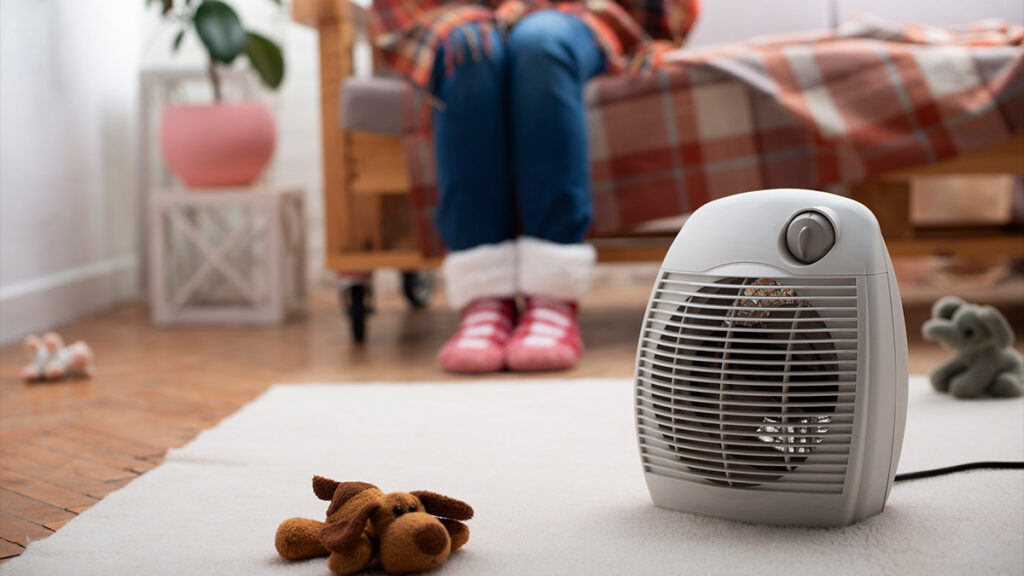
Run a test before you need the heat. Pick a mild afternoon, switch the thermostat to heat, and set it 3 degrees above the room temperature. Warm air should reach your vents within a few minutes. The system should run without loud noises, a lingering odor, or a tripped breaker. If something goes wrong, you still have time to fix it before the cold arrives.
Here are the questions homeowners ask us most when the heat runs for the first time each year.
Why Does My House Smell Like Burning Dust When the Heat Comes On? Dust settles on heat strips and furnace burners over the summer. The first time they get hot, that dust burns off. A faint smell that fades within the first hour or so is normal. A smell like hot plastic or melting wire is not. If you notice that, or see any smoke, turn the system off at the thermostat and call a technician.
Why Does the Air From My Heat Pump Feel Lukewarm? A heat pump moves heat from outside air instead of burning fuel. The air at your vents is warm, often in the 90s, but it feels cooler on your hand than air from a gas furnace. That is normal. If the air matches room temperature after 10 minutes, something is off. Common causes include low refrigerant, a stuck reversing valve, or a thermostat set up for the wrong type of system. Finding out why a system will not switch into heating is a common part of our heat pump repair and service work across Marion County.
Why Is My Outdoor Unit Whooshing and Steaming? On cold, damp mornings, frost can build up on the outdoor coil. Your heat pump clears it by running a defrost cycle. You may hear a loud whoosh as the system switches over, the outdoor fan may stop for a few minutes, and you may see steam rising from the unit. All of that is normal. A unit covered in solid ice, or a defrost cycle that never seems to finish, needs a service call.
What Is the Difference Between Aux Heat and Emergency Heat? Both use the electric heat strips in your air handler. Aux heat turns on by itself when the heat pump needs help, such as on a very cold morning or during a defrost cycle. Emergency heat is a setting you choose. It shuts the heat pump off and runs only the strips. Use it only if the heat pump has stopped working, because heat strips cost much more to run. If “aux” shows on your thermostat for hours on a mild day, your heat pump is not doing its share of the work.
Why Does My Breaker Trip When the Heat Turns On? Heat strips pull a lot of power, often as much as several space heaters running at once. A breaker that trips when they come on can point to a failed heat strip, a loose or burnt wire connection, or a worn breaker. Resetting it over and over is not safe. Tracing a problem like this to its source is routine heating repair work for our technicians.
A heating tune-up tests the parts that only work in cold weather and checks the parts that work all year. During a heating maintenance visit, our NATE and NCI certified technicians cover the following.
Heat Strips and Sequencers: We check each heat strip and the controls that turn them on in stages. Weak or failed strips leave you short on backup heat right when you need it most.
Refrigerant Levels and Pressure: We check refrigerant levels and pressures with the system running in heat mode. A heat pump that is low on refrigerant struggles in winter and summer alike.
Reversing Valve and Defrost Controls: We switch the system between cooling and heating to confirm the reversing valve shifts cleanly. Then we verify that the defrost cycle starts and stops when it should.
Airflow and Temperature: We check the filter, blower, and indoor coil, and we measure the temperature of the air going in and coming out. If you aren’t measuring, you are just guessing.
Wiring, Capacitors, and Relays: Heating season puts a heavy electrical load on your system. We inspect wiring, contacts, capacitors, and relays, tighten loose connections, and check the outdoor disconnect.
Gas Burners, Venting, and Safety Controls: For gas furnaces, we inspect the burners and ignition and check the flue for blockages. On every system, we test the safety controls and confirm the thermostat calls for heat the way it should.
When we finish, you get a clear report of what we found and our recommendations. If something needs attention, we explain your options. We repair first whenever repair makes sense.
Schedule heating maintenance in the fall, before the first real cold front. If that front has already come and gone, book now. Central Florida often gets its coldest nights in December and January.
Heat pumps run all year in Florida, cooling in summer and heating in winter. That is why we recommend maintenance twice a year: once in the spring before cooling season and once in the fall before heating season. Gas furnaces need that fall visit too, for safety as much as comfort.
Our maintenance plans make it easy to stay on schedule.
A few minutes of checking now can save you a cold night later. These quick steps pair well with the seven items in our fall heating checklist for Ocala homes.
If anything seems off during your test run, call now. It is much easier to schedule a repair during a mild week than on the coldest night of the year.
A five-minute test and a fall tune-up are the two best ways to make sure your heat pump or furnace starts cleanly. Most winter heating problems are small when they are caught early. They get bigger when a weak part is pushed hard on a cold night.
ABS Heating & Air offers honest diagnostics, a repair-first approach, and same-day service available. Call 352-566-1448 to schedule your heating check.
We serve homeowners in Ocala, Belleview, Dunnellon, Summerfield, Silver Springs Shores, The Villages, Wildwood, Lady Lake, and communities throughout Marion, Sumter, Lake, Citrus, and Alachua counties.