
What are the 3 best ways to address poor indoor air quality?
The three EPA-recognized methods to improve indoor air quality (IAQ) are source control (stopping pollutants at the origin), upgraded filtration and purification (capturing airborne particles), and mechanical ventilation or humidity control (exchanging stale air while managing moisture). In humid environments like Central Florida, combining high-efficiency MERV filtration with whole-home humidity control is critical to preventing mold growth and neutralizing seasonal allergens.
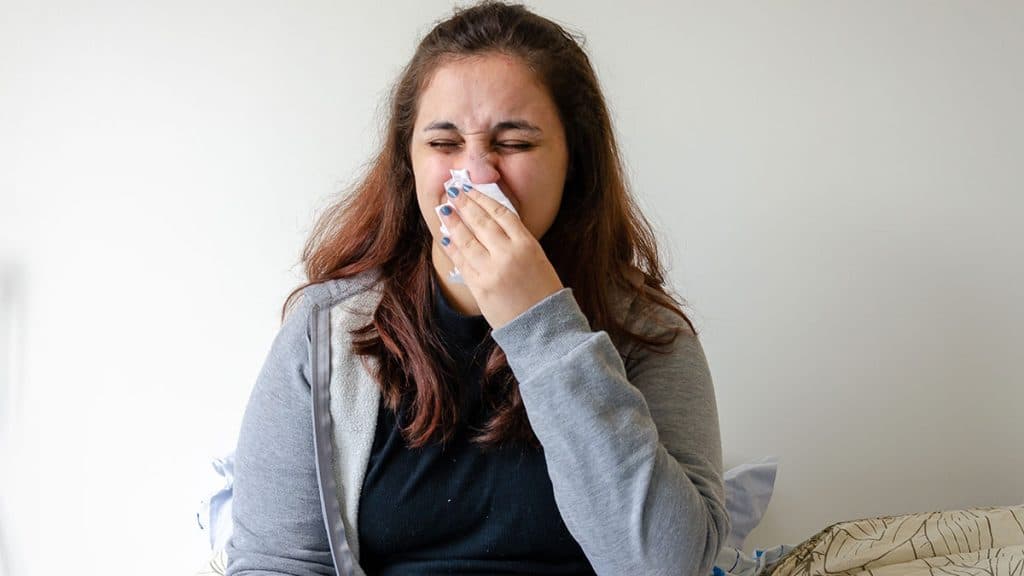
Indoor air quality can suffer significantly due to dust, pet dander, volatile organic compounds (VOCs), and airborne spores. In Ocala and throughout Marion County, high heat and outdoor humidity compound these issues, trapping pollutants inside sealed homes. Taking a structured, three-pronged approach restores clean, healthy air to your living space.
The most effective way to improve air quality is to prevent harmful contaminants from entering your ductwork in the first place.
Standard 1-inch fiberglass filters protect air conditioning equipment from large debris, but they do little to clean the air you breathe. Upgrading your system’s filtration targets microscopic health hazards.
In Central Florida, opening windows for “fresh air” often introduces heavy humidity, oak pollen, and outdoor dust into your living space. Controlled mechanical ventilation and moisture management are essential.
Explore all residential and commercial options on our comprehensive indoor air quality solutions page.
| Strategy | Primary Function | Target Pollutants | Best Local Solution for Ocala Homes |
| 1. Source Control | Stops pollutants at the origin | VOCs, chemical fumes, dust | Duct sealing, low-VOC products |
| 2. Air Purification | Traps and neutralizes microbes | Pollen, pet dander, viruses, mold | AprilAire filter kits, UV germicidal systems |
| 3. Humidity Control | Manages moisture and exchanges air | High CO₂ (Carbon Dioxide) excess moisture, spores | Whole-home dehumidifiers, ERVs |
The fastest way is to install high-efficiency MERV 13 filters, run your HVAC fan on “AUTO,” keep indoor relative humidity below 50%, and install a UV germicidal light to prevent mold growth on the cooling coil.
Opening windows can lower indoor carbon dioxide on mild days, but in Central Florida’s humid climate, open windows often introduce excessive humidity, mold spores, and seasonal pollen. Mechanical ventilation is much safer for moisture control.
Common signs include rapid dust build-up around supply vents, lingering odors, unexplained allergy flare-ups (sneezing, coughing, dry eyes), and muggy indoor air or visible mold growth.
Unsure about the air quality inside your home? ABS Heating & Air provides personalized indoor air quality inspections, UV light installations, and filtration upgrades across Marion, Sumter, and Lake Counties.