
Your electric bill is higher than your neighbor’s. Your house has hot spots that never stay cool. Your AC seems to run all day without actually cooling the house down. Something is not right, but you do not know what or how to fix it.
Before you spend money on repairs or upgrades, take a step back and do an efficiency audit of your system and your home. An audit will tell you whether the problem is with your AC itself, the way your home is losing heat, or just the way you are using the system. And here is the good news: you can do most of this audit yourself without calling anyone.
In this article, we are going to walk you through a simple, step-by-step AC efficiency audit that will help you find where your money is going and what you can do about it.
An efficiency audit is a systematic check of your AC system and home to find where money is being wasted. It answers questions like: Is my AC working the way it should? Is my home losing cool air? Am I using my system inefficiently? The answers tell you where to focus your efforts to cut costs and improve comfort.
The good news is that most efficiency improvements are free or very cheap. A few simple changes can cut your cooling costs by 10 to 20 percent, which adds up to real money over the summer.
Your thermostat setting is the single biggest factor in your cooling costs. The lower you set it, the more you pay.
Walk to your thermostat and check what temperature it is set to. Is it below 75 degrees? If it is set to 72 or lower, raising it to 78 degrees could save you 15 to 30 percent on cooling costs. Try raising it to 78 for one week and see how your bill changes.
Also check: Is your thermostat a manual dial, a digital display, or a smart thermostat? Manual and older digital thermostats are less efficient than programmable or smart thermostats that automatically adjust temperature based on your schedule.
Go to your air handler or furnace and look at the air filter. If you do not know where it is, look in your attic, garage, or utility closet. Find the rectangular filter and pull it out.
Now hold the filter up to a light. Can you see through it? If not, if it is gray or brown with dust buildup, the filter is restricting airflow and making your AC work harder. A dirty filter can reduce efficiency by 5 to 15 percent. Replace it immediately if it is dirty.
Also check: When was the filter last changed? If you do not know, or if it has been more than 60 days, replace it now. Set a reminder to check the filter every 30 days during summer.
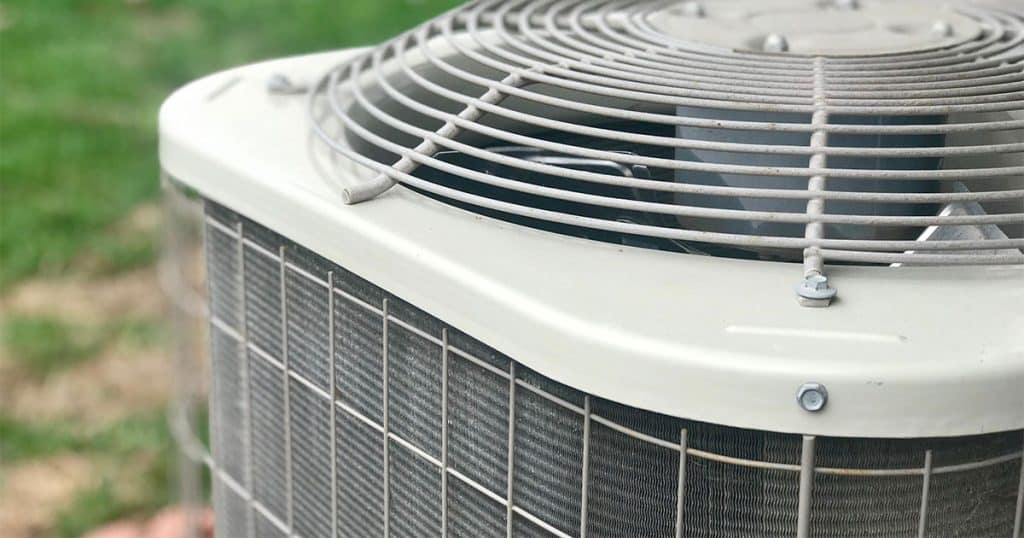
Go outside and look at your air conditioner’s outdoor unit. It is typically a large gray or white box.
Look for debris: Is it covered in leaves, grass, dirt, or pollen? Can you see the metal fins clearly, or are they caked with dust? Are there plants or bushes growing around it? All of this restricts airflow and makes the unit work harder.
Clean the unit: Turn off power at the disconnect switch. Remove visible debris by hand. Use a garden hose to gently rinse the fins from the inside out. Do not use a pressure washer, as it can bend the fins. Trim back any plants to maintain 2 feet of clearance. A clean outdoor unit operates at peak efficiency.
Walk through your home and check your supply vents (the vents where cold air comes out). Feel the air coming out. Is it cold or lukewarm? Is there strong airflow or weak airflow?
Also check: Are all the vents open? Many people close vents in rooms they are not using to try to save energy, but this actually reduces airflow and makes the system work harder. Keep vents open unless your contractor has specifically recommended closing them.
If the air is lukewarm instead of cold, the system might be low on refrigerant. If airflow is weak, there might be a blockage or a leak in the ductwork. Both of these issues warrant a service call from a professional.
Cool air leaking out of your home means your AC has to work harder to maintain the set temperature. Walk around your home and look for gaps or damage around windows and doors.
Look for: Cracks in caulking, peeling weatherstripping, gaps where frames meet the wall, or visible daylight around door and window frames. These are all places where cool air is escaping.
Fix it: Use weatherstripping tape or caulk to seal gaps. This is a low-cost project that can improve efficiency noticeably.
Heat from the sun comes in through windows and adds load to your AC. Evaluate what is protecting your windows from solar heat.
Check: Do you have blinds, curtains, or shades? Are they closed during the day when the sun is hitting the windows? Which windows face east or west (the hottest sides)? These windows benefit most from coverings.
Improvement: If you do not have window coverings, adding them is one of the most effective ways to reduce cooling costs. If you already have them, commit to closing them during the hottest part of the day, especially on south, east, and west-facing windows.
Look at your indoor AC unit (usually in the attic, garage, or utility closet). Are there any visible problems?
Red flags: Ice on the coils or refrigerant lines, water pooling underneath the unit, visible corrosion on copper lines, or strange smells. Any of these indicate a problem that needs professional attention.
Also listen: When the system runs, what do you hear? Normal operation is relatively quiet. Grinding, squealing, hissing, or banging sounds indicate a mechanical problem that should be checked out.
Pull out your last three months of electric bills and compare them. Look at the kilowatt-hour usage, not just the total bill, because rates can vary. Has your usage increased? Has the trend jumped recently?
What to look for: A sudden jump in usage might indicate a system problem, a change in your usage habits, or hotter than normal weather. A gradual increase over the course of the summer is normal as temperatures rise, but if it is spiking, something might be wrong.
Benchmark: For a typical 2,000 square foot home with a modern AC system, expect summer electric usage of 1,500 to 2,500 kilowatt-hours per month for the AC alone. If you are using significantly more, efficiency improvements or system service should be a priority.
After your DIY audit, you will have a good sense of whether your system is working efficiently or if there are problems that need professional attention. Call a technician if you find any of the following:
A professional maintenance visit can identify and fix these problems, improve your system’s efficiency, and help you understand your cooling costs.
An efficiency audit tells you where your cooling money is going and what you can do about it. Most of the improvements you can make are free or very cheap: adjusting your thermostat, changing your filter, cleaning the outdoor unit, closing blinds, sealing air leaks. These simple steps can cut your cooling costs by 10 to 20 percent.
If your audit reveals system problems, professional service can bring your AC back to full efficiency and save you hundreds of dollars over the summer. At ABS Heating and Air, we can do a thorough efficiency audit, identify any system issues, and help you optimize your AC for peak performance and lower costs.
A DIY audit takes about 30 to 45 minutes. A professional audit takes a couple of hours and includes detailed testing and measurements.
Dirty air filters are the most common. A filter clogged with dust restricts airflow and forces the system to work much harder than necessary.
It depends on the improvement, but raising your thermostat 3 degrees could save 3 to 9 percent on cooling costs. Cleaning the outdoor unit and replacing a dirty filter could save another 5 to 10 percent. Multiple improvements can add up to 15 to 20 percent savings.
If your DIY audit reveals problems, or if your electric bill is higher than expected, a professional audit is worth the investment. It can identify issues you might miss and help you make smart choices about system upgrades.
Do a simple DIY audit once a year before the cooling season starts. A professional audit is recommended every 3 to 5 years as part of your preventive maintenance.
Even if nothing is obviously wrong, a professional efficiency audit using diagnostic tools can find issues that the naked eye misses, like ductwork leaks or refrigerant problems. It is a smart investment if your bill is higher than it should be.