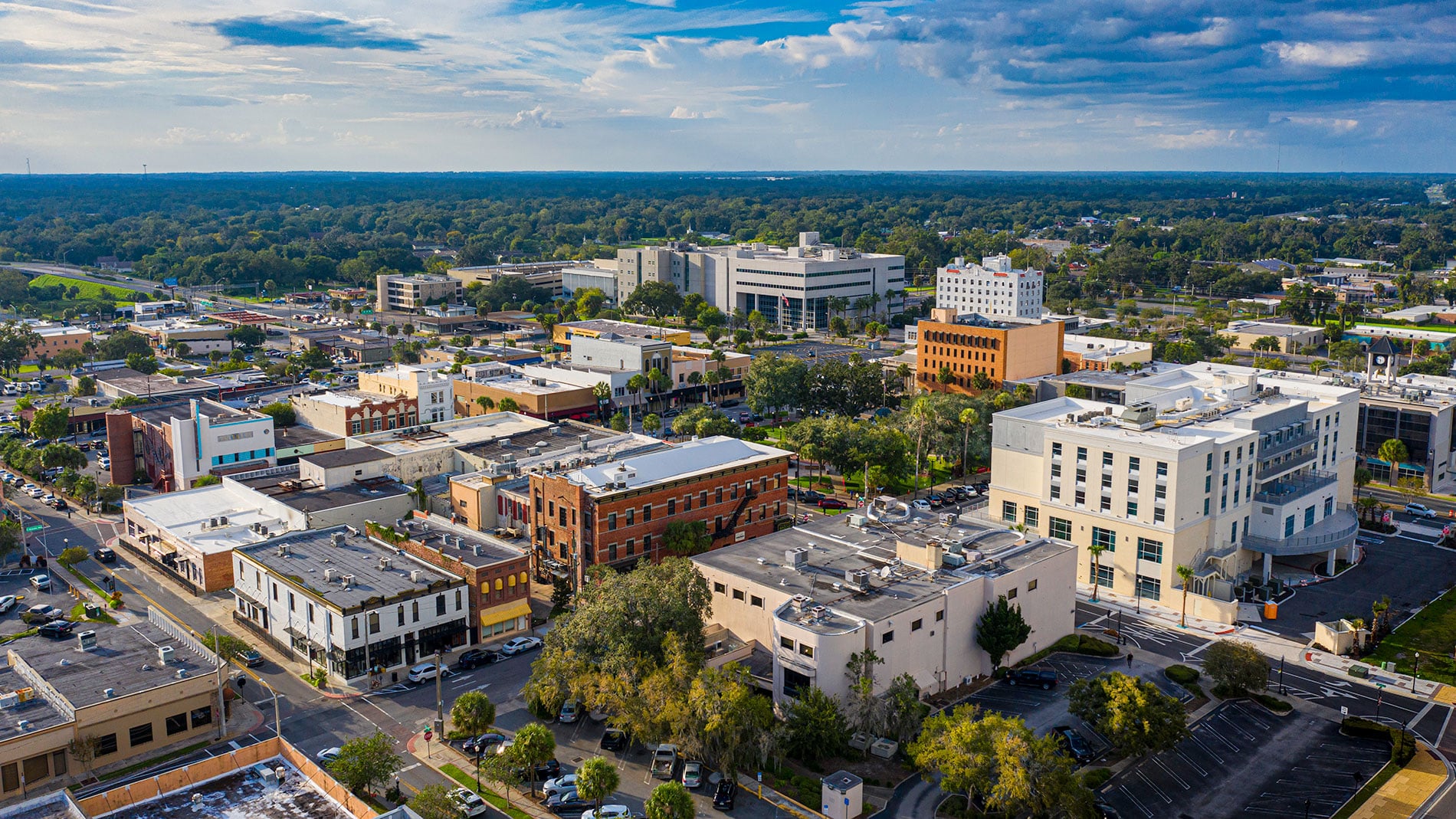
Summer has arrived, and with it comes peak cooling demand. Outdoor temperatures are climbing into the 90s. Your building is full of employees, customers, or tenants who expect comfortable, cool indoor spaces. Your HVAC system is about to be tested like never before in the previous months.
If your system is not ready, summer can bring surprises: unexpected cooling failures, tenant complaints about uncomfortably warm spaces, soaring energy bills, or emergency repair costs that blow the budget. But if you take the time now to prepare, you can avoid almost all of these problems.
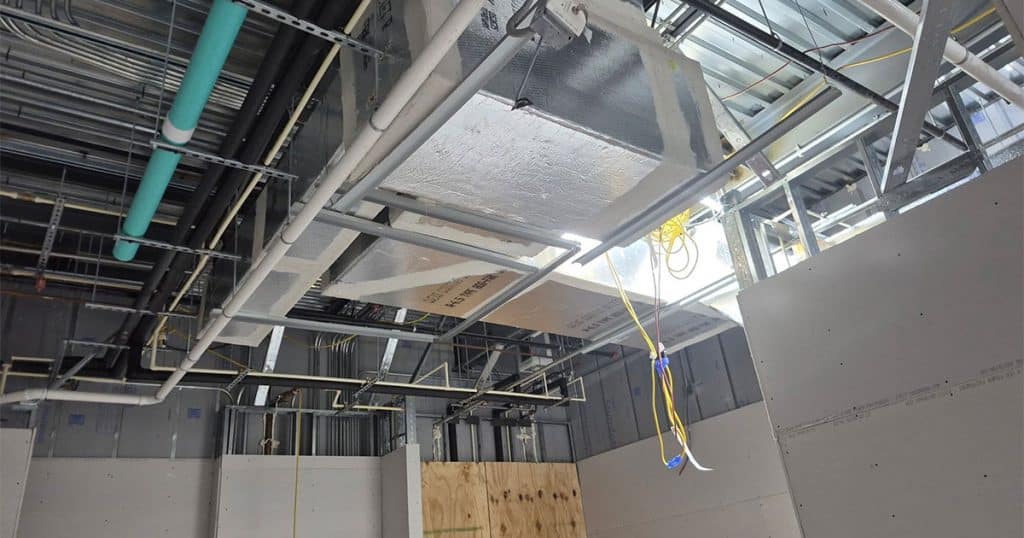
In this article, we are going to walk you through the essential steps to prepare your commercial HVAC system for peak summer demand, so you stay cool, keep your building occupants comfortable, and avoid costly breakdowns.
Commercial HVAC systems work harder than residential systems. They cool larger spaces, operate for longer hours, and are subject to more variable loads depending on occupancy and activities. When summer peak demand hits, weak systems fail, and efficient systems strain under the workload.
A breakdown in summer is not an inconvenience like it might be at home. It is a business crisis. Employees cannot work. Customers will not shop. Equipment in laboratories or servers in data rooms can overheat and suffer damage. Tenants call their lawyers. The cost of downtime far exceeds the cost of preventive maintenance.
The most important step is to call your HVAC contractor and schedule comprehensive maintenance before peak demand season. Do not put this off. The longer you wait, the less likely you are to get an appointment before the heat hits.
A comprehensive maintenance visit should include:
This maintenance visit catches problems before they cause summer failures and ensures your system is running at peak efficiency.
For larger commercial buildings with complex ductwork and multiple zones, a test and balance (TAB) service is invaluable. TAB ensures that airflow is properly balanced throughout the building, so every space gets adequate cooling.
Unbalanced airflow means some spaces are overcooled while others are too warm. This creates tenant complaints, forces the system to work harder, and wastes energy. Balancing the system ensures comfort throughout the building and improves efficiency.
Check all thermostats throughout the building. Are they set appropriately? For commercial spaces, a setting of 75 to 78 degrees during business hours is typical. Settings lower than this waste energy and drive up costs.
Also check: Are thermostats programmed to raise temperature after hours, on weekends, and during non-occupied periods? A building that is heated or cooled when no one is there wastes enormous amounts of energy. Programming thermostats to adjust with occupancy schedules can save 10 to 15 percent on energy costs.
If you do not have programmable thermostats, upgrading to smart thermostats now, before peak season, can provide immediate energy savings and valuable insights into building performance.
Outdoor air conditioning units need clear airflow to work efficiently. Inspect all rooftop or ground-level units for debris, dirt buildup, vegetation, or obstructions.
Clean the equipment: Remove leaves, grass, dirt, and other debris. Gently rinse condenser coils with a garden hose. Do not use a pressure washer, as it can damage delicate components. Trim back any trees or vegetation to maintain at least 3 feet of clearance on all sides. A clean, unobstructed outdoor unit operates much more efficiently.
Cool air leaking out of the building forces your HVAC system to work harder. Walk around the building perimeter and look for gaps, cracks, or damage around windows, doors, roof penetrations, and loading dock areas.
Seal any air leaks with caulk or weatherstripping. Repair damaged door seals and dock leveler seals. These inexpensive fixes can improve efficiency and reduce the load on your HVAC system significantly.
Interior lighting and equipment generate heat that adds load to your HVAC system. Reducing this heat load reduces cooling demand.
Strategies: Upgrade to LED lighting, which generates much less heat than traditional fixtures. Use occupancy sensors to turn off lights in unoccupied spaces. Ensure that kitchen equipment, server rooms, or other heat-generating areas have adequate ventilation so waste heat does not spill into the main building. Seal off heat sources that are not needed during peak hours.
Have a plan in place before something goes wrong. Know who you will call if your HVAC system fails. Save your contractor’s emergency number in multiple places. Know whether they offer same-day or 24/7 emergency service and what the rates are.
Also prepare: Set aside a budget for emergency repairs. Establish communication procedures so tenants know what to do if their space becomes uncomfortable. Have a plan to relocate operations if an entire zone goes down. Do not wait until the system fails to think through these steps.
If you do not already have one, summer is an excellent time to establish a regular maintenance plan with your HVAC contractor. A plan ensures regular service, priority scheduling, reduced repair costs, and early identification of problems.
The cost of a maintenance plan is typically a fraction of what emergency repairs cost and far less than the cost of downtime.
Summer peak cooling demand is not something to hope goes smoothly. It is something to actively prepare for. A few simple steps now—maintenance, thermostat optimization, building envelope sealing, and emergency planning—can prevent failures, improve comfort, save energy, and protect your bottom line.
At ABS Heating and Air, we have the expertise and experience to help commercial buildings prepare for peak season. We can schedule your maintenance, optimize your system, and ensure you are ready for whatever summer brings. Contact us today to discuss a preparation plan for your building.
Schedule maintenance in late spring, before peak demand season hits. Waiting until summer reduces available appointment times and increases the chance that your system might fail before service is available.
Most commercial systems benefit from quarterly or twice-yearly maintenance. High-use systems like those in hospitals, data centers, or large retail buildings may need monthly service.
Costs vary based on system size and complexity, but a typical maintenance visit for a small to medium commercial building ranges from $300 to $600. Larger or more complex systems cost more.
TAB is a service that measures and adjusts airflow throughout a building to ensure proper distribution. It is essential for large or complex buildings and highly recommended for any building with comfort complaints or energy concerns.
Yes. Raising thermostat settings by 2 to 3 degrees, optimizing schedules, sealing air leaks, and upgrading to LED lighting can reduce costs by 10 to 20 percent with minimal impact on occupant comfort.
Call your HVAC contractor immediately. Comfort issues during peak season often indicate a problem that needs fast resolution. The sooner you address it, the sooner occupants are comfortable and the less damage the problem causes.